From Visibility to Action: Closing Retail's Supply Chain Gap
A 30-year retail strategy expert on the real gap fashion retailers see today: not just visibility, but the speed to act on it.
.png)
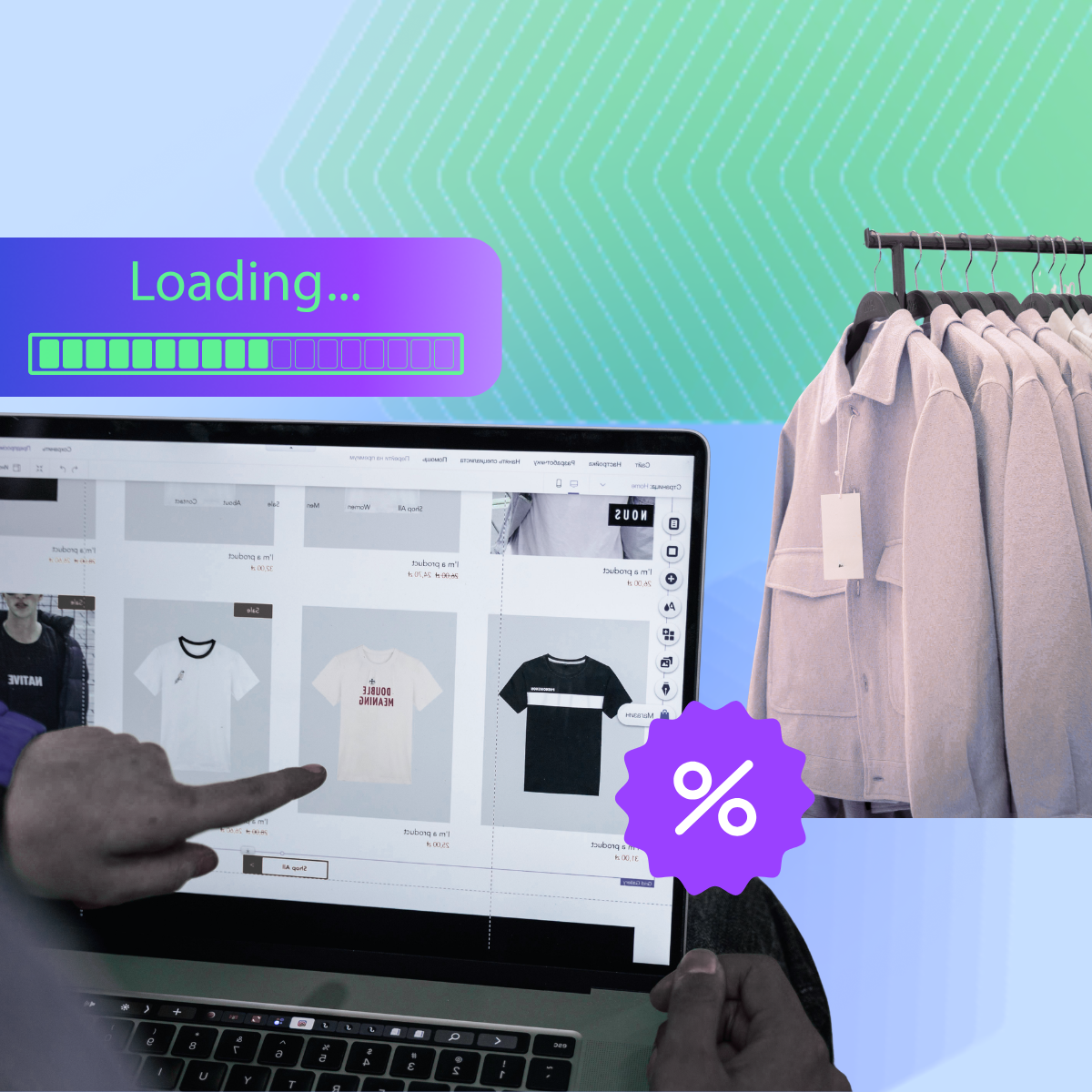
In fashion apparel, the seasons are short, trends come and go quickly, and consumers demand speed and convenience. The gap between a product landing on time or two weeks late can decide whether a range is profitable or marked down.
Renee Hartmann is a trusted expert who has spent thirty years on both sides of retail, from running her own apparel business to advising brands on improving their supply chain and implementing new technologies. She has watched supply chain move from a technical function to the thing that decides whether a fashion brand wins its season.
In a conversation with Moddule's Ben Jones, the two discuss where fashion brands are missing out, and where they have the opportunity to win big.
1. Supply chain stopped being a back-office job
Constant disruption, shifting cost structures, and empty shelves that customers now shrug at have turned agility from a buzzword into a mandatory condition for survival, Hartmann shares.
"It's a huge strategic priority for everybody. It's not a back-office operation anymore. It's really become front and center to the organization."
She makes the point that this decade will be remembered as the one when consumers themselves learned what a supply chain is. The brands paying attention treat the supply chain as a place to compete, not just a cost to keep down. In fashion, where the competition is fierce, that is truer than anywhere.
2. Visibility is the foundation, not the finish line
Ask those running operations for fashion retailers what they need, Hartmann says, and very few ask for another dashboard. In fact, most don’t have the manpower to process all the information they do have, she says.
"They have more data than they've ever had before. They have a ton of information. The issue is how you act on it. Every retailer feels like they don't have the resources or the manpower, and they're always trying to catch up."
The dashboard itself is not the problem. Seeing clearly across suppliers, factories, and carriers is the essential first step (though getting one trustworthy picture out of sources that rarely agree is another problem).
The gap Hartmann describes opens after that. Retail has traditionally planned by looking backwards at what happened last season, rather than acting in the moment on live data. Good visibility and trusted data is what makes it possible. The next frontier for brands is turning what you can see into what you do next, fast enough for it to count.
3. In fashion, timing is the whole margin
Hartmann knows this well, having seen how late arrivals can throw off a whole season’s sales. She describes the maths of a jacket season, and it is unforgiving.
"We had a two-to-three-month selling window for jackets, and jackets in the winter made up about eighty percent of our sales. We'd have late arrivals from the manufacturer, and if you come in two weeks late, a month late into the jacket selling season, you have such a short window that it immediately impacts your sales."
The window is two to three months. Miss the front of it, and you won’t make the revenue back, so you end up discounting stock you should have sold at full price. This is the case for most seasonal wares and fast fashion trends. Her read on who wins is about speed above all.
"The biggest example of nimbleness is getting from trend to product to the shelf in as short a time as possible."
It comes down to the brands that get from a trend on TikTok to product on the shelf in the shortest possible time, then restock fast when something sells well. She notes that many brands have been chasing that model, but few have matched the scale Chinese fast-fashion players now operate at. Speed from trend to shelf, she argues, is the clearest place a fashion brand can turn its supply chain into an advantage.
4. The revenue is on the shelf, not in the headcount
Hartmann is direct about where the money is in fashion retail, and it is not where most of the AI attention goes.
"It's not just about reducing headcount, that's a small cost saving. But if you can actually increase your revenue by having the right product at the right time, that's a huge game changer. Every retailer, every brand is looking for top-line improvements."
Most of the noise around AI in retail, she notes, is about marketing and creative, or gen AI. The quieter prize is availability: having the right product in front of the customer at the moment they want to buy it. For a fashion brand, that is the difference between a sell-through and a missed sale that never comes back, because the shopper has already bought something else.
She is realistic about why more brands haven't chased it, too. The appetite is there, but the capacity to build it often isn't, and she has yet to meet a retailer whose data team has room to spare. The opportunity is real, but it has to be simple enough for a stretched team to adopt.
Related: The 90-Day Path to Proof for AI Logistics Tech
5. The human work that automation creates time for
The conversation also touched on a fear about AI that Hartmann thinks is largely misplaced.
"One thing AI can never have is judgment. It's not very good at making judgment calls. It's good at reading history, but there are certain things where you need that human judgment, and every company is slightly different on what that is."
She describes a creative team that, rather than cutting headcount as it brought in AI, hired more creative directors to steer it, because someone still had to own the taste and the calls. The pattern held across her examples. Machines take the high-volume, repetitive work, and people keep the decisions that need context, taste, and accountability. Done well, automation frees people for the work that actually needed them in the first place.
Where this leaves fashion brands
The thread running through all of it is the one Hartmann named at the start. The supply chain is where fashion now competes, and the winners are the ones who can act on what they see in the moment.
For even more insights, watch the full conversation with Renee Hartmann on the Moddule YouTube channel.
That arc, from seeing clearly to predicting what comes next to acting on it, is what we're building Moddule around. It starts with the Visibility Platform that sits above your existing systems, agnostic to where the data comes from, because you can't act on a picture you don't trust. ETA IQ turns that picture into confidence-scored predictions, and Moddule OS orchestrates the response.
Want to see what this looks like on your own lanes? Talk to our team.