Logistics Visibility Software: Savings You Can See Quickly
Why a logistics visibility platform pays for itself first, before you predict or act.


Somewhere in last quarter's numbers is a demurrage charge for a delay nobody caught in time. The data existed, scattered across seven systems that never agreed on when the vessel would arrive.
Logistics visibility software turns that leak back into money. It gives your team one trustworthy view of every shipment, so an exception like a closing free-time window is caught while there is still time to act. Of everything Moddule builds, it is the layer that pays for itself first, before you predict or orchestrate anything.
Do you already have logistics visibility?
Almost every supply chain team says yes. Most are describing a wall of carrier portals, a handful of tracking feeds, and a 3PL dashboard, with a team reconciling all of it by hand. That is a pile of data, not a single view you can plan against. The gap between the two has a price, and it is bigger than most operators think.
What does poor shipment visibility cost?
Take one mid-size operation, modeled conservatively: roughly 10,000 containers a year, seven tracking providers, and an average cargo value in the mid five figures. At a one-in-five incidence rate and a few thousand dollars per demurrage and detention (D&D) incident, annual exposure lands north of $5 million. That is the standing cost of not seeing free-time windows close in time to act.
Two line items make up most of the saving:
- D&D reduction: One trustworthy view, with free-time exceptions flagged earlier, can save roughly one-third of these fees. That needs no orchestration, no new carrier, and no change to the systems underneath. The saving comes from seeing the exception early enough to act on it.
- Manual tracking: Chasing status across portals is quiet, constant work that adds up to real headcount. In a team of 20 coordinators, one trustworthy view gives back approximately three full-time roles, freed up for planning and for the exceptions that need a person. It also changes how you scale: when volume grows, you absorb it with the team you have instead of hiring.
For an operation this size, the two line items add up to seven figures a year before anything downstream changes. This is a worked example, not a guarantee. The figure moves with your volumes, your lanes, and your D&D rates. What holds steady is the size of the leak and how fast closing it pays for the platform. For a deeper model, see the ROI of shipment visibility for LSPs.
Related: TMS Data Unification: Unify Logistics Data Without Replacing Your TMS
Why most visibility never turns into savings
The market is flooded with dashboards and visibility tools, so what turns visibility into real savings? Trust in the data, so that what you see can be acted on.
Moddule strategic advisor Mats Samuelsson makes that argument. He spent his career running inbound for a global fashion retailer, across more than 400 trade lanes into more than 70 countries. When the numbers are unreliable, he says, teams quietly stop relying on them. Warehouses stop scheduling flexible labor against arrivals they do not believe. And any orchestration built on untrustworthy visibility produces, in his words, wrong answers more quickly.
This is where a shipment visibility platform proves its value or does not. Moddule's Visibility Platform is built to be the source of truth. It takes the milestones your carriers and providers report, so your team works from one accurate record of where each shipment actually is, instead of seven different dashboards. When the data holds up, people can act on it, and a container about to use up its free time gets caught while there is still time to move it.
More Like This: From Visibility to Action: Closing Retail's Supply Chain Gap
What does a control tower view look like in practice?
The new Overview tab in the Visibility Platform is that view on one screen. When you log in, you land on an interactive globe showing your active shipments, open orders, and warehouse stock, built from your real data.
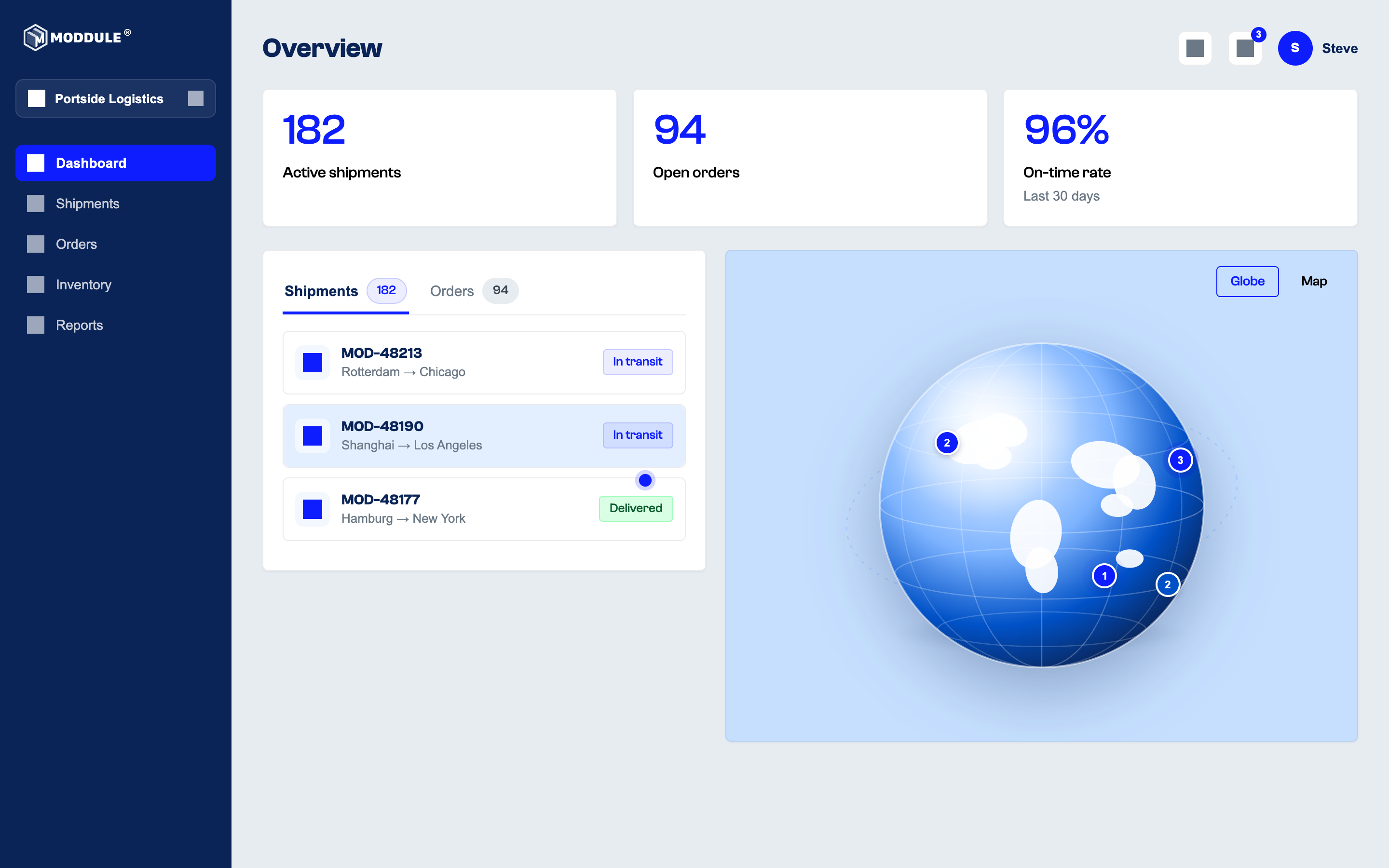
Shipments are grouped by location. Zoom in to separate them, then click one to see its route, carrier, and current status. Orders and warehouse stock sit on the same screen: find an incomplete order and see where it is, or check items on hold and stock issues and go straight to the warehouse they belong to. You can switch between the globe and a flat map, and admins can view all customers together or one at a time.
A dashboard shows what one system knows. A control tower view works across the carriers, tracking providers, and systems you already use, because Moddule is agnostic by design. Your team gets end-to-end shipment visibility: where everything stands and which shipments need attention, whichever source reported them. The team that sees a problem first gets to choose the response.
Visibility sets the floor of the return
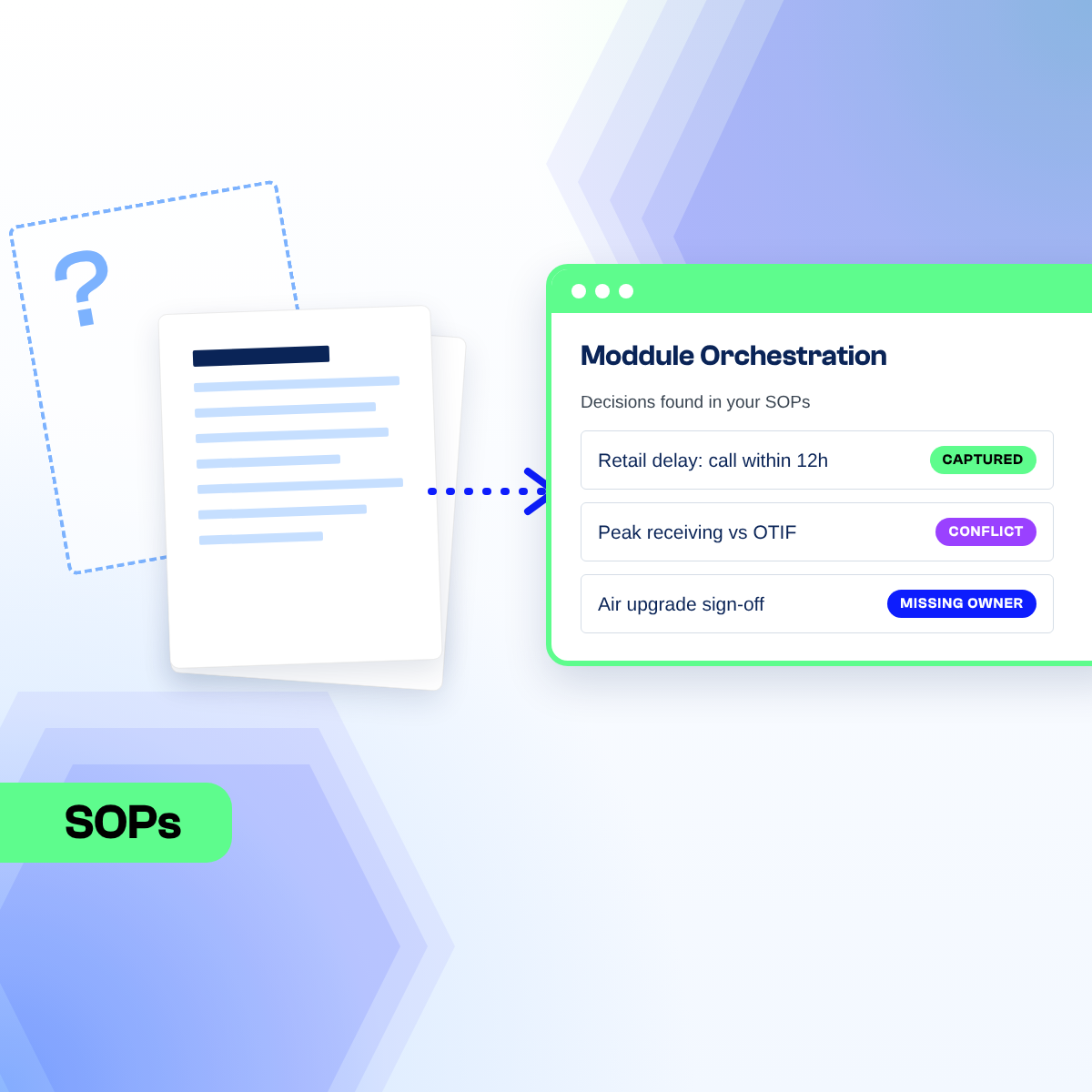
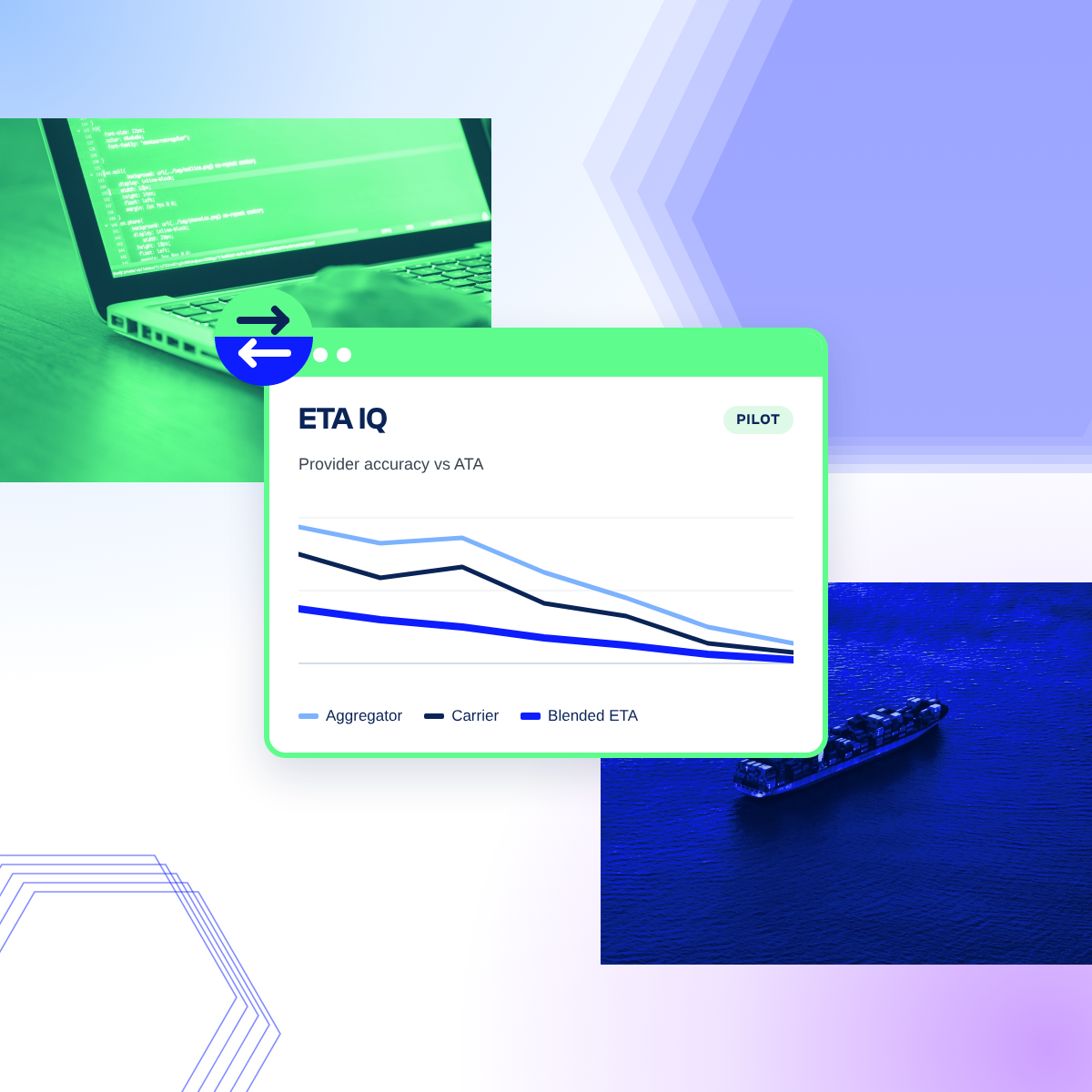
What you get from seeing clearly today is the floor of what you could save. The same operation can multiply that figure once it can also predict what is coming with ETA IQ and act on it through Moddule Orchestration. ETA IQ is in pilot with two global fashion retailers, and Moddule Orchestration is in development. Both depend on the unified data that visibility produces.
You can start collecting that return without buying the rest of the stack. Visibility pays for itself first and fastest.
Read More: How to Evaluate Supply Chain Orchestration Tools With a Defensible ROI Target